
From left to right, in front: Carina Schlebusch, Maja Vukovikj, Cécile Jolly
At the back: Grace Moraa Kennedy, Imke Lankheet, Andrea Soler I Nuñez, Niels Le Douarin, Jules Koelman,
Inserts left: Cesar Fortes-Lima (top), Concetta Burgarella (middle), Bupe Kapema (bottom)
Inserts right: Johanna von Seth (top), Modeste Zeye (middle), Francesco Giannelli (bottom)
Carina Schlebusch, Group leader
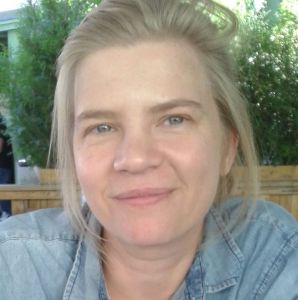 I am highly motivated and passionate about my work, i.e. using genetic research as a tool to investigate human history. My special interest and expertise in the population history of Africa, allow me the opportunity to investigate both recent population movements, associated with farming, as well as deep human history, which is rooted in Africa. I share this passion with the current members of my group and students that I supervise and co-supervise. My research philosophy is thus to tap into this passion that my group members, students, collaborators and I share for research in the history of our species, and through these interactions formulate my research questions and build my research group. I conducted my PhD work at the University of the Witwatersrand, South Africa where I focused on genetic diversity in Khoisan-speaking populations from southern Africa. Subsequently I completed my postdoctoral studies at Uppsala University. Currently I am employed as Professor at the Department of Organismal Biology, Uppsala University and conduct my research within the Human Evolution Program (link).
Cécile Jolly, Project Coordinator
 I am a trained physiologist and molecular biologist. I received my Master degree in organismal biology at the University Pierre and Marie Curie, Paris (France) and my PhD degree at the University of Bergen, Norway. I have several years of experience applying methods used for Illumina sequencing and a strong personal interest in history and archeology.
Currently I work as Project Coordinator for the Schlebusch group, helping with management of projects and assisting students and researchers in their projects, both in the lab and during field work.
Imke Lankheet, Bioinformatician
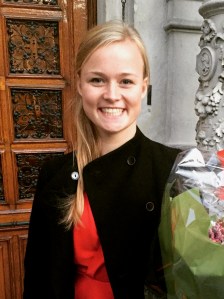 I have a Master degree from Utrecht University, the Netherlands and I did my PhD in the Schlebusch group. During my studies, I have developed a great interest in human evolution and population genetics. I have worked on a variety of different projects, with the subjects mtDNA, Y-chomosomes, ancient DNA and proteomics in African populations.
Jules Koelman, PhD student
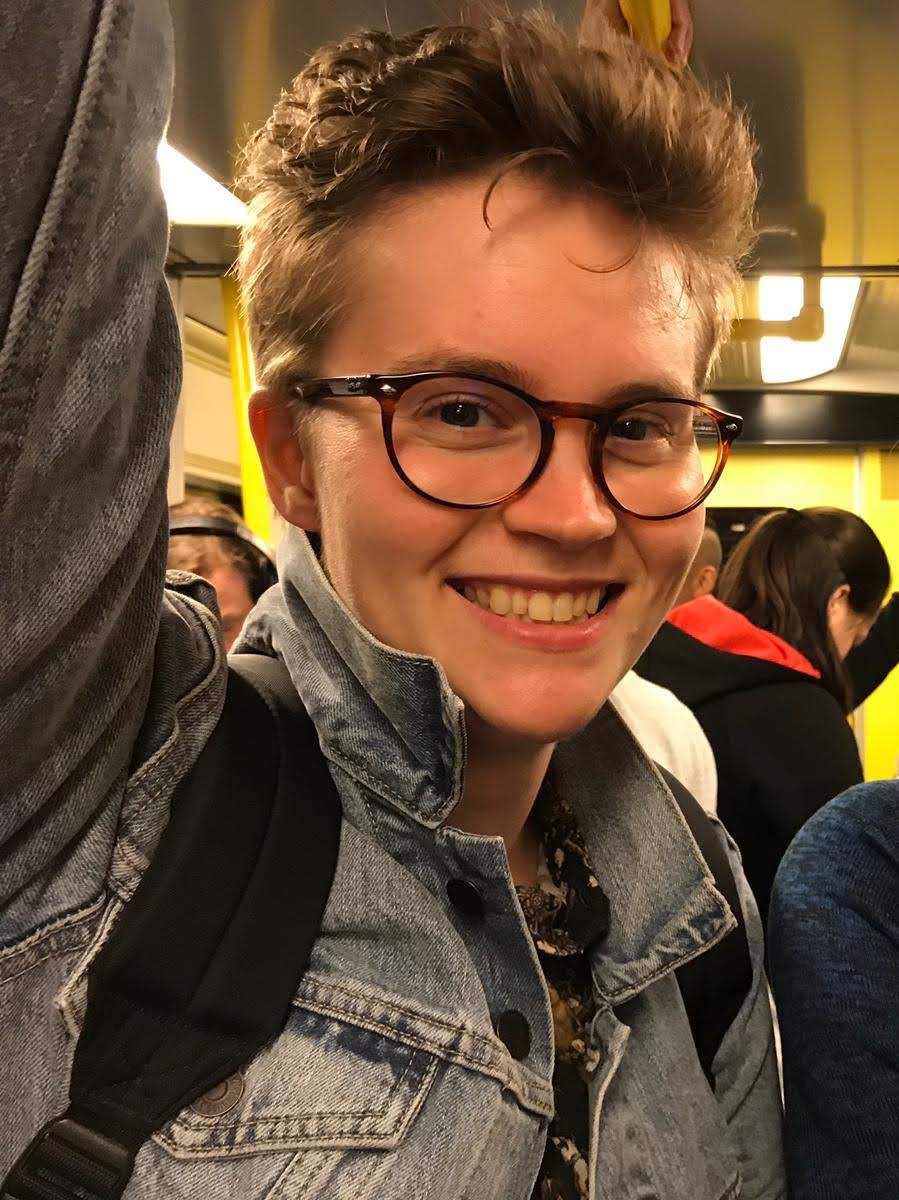 I have a bachelor’s and master’s degree in biology. During my master’s I specialized in evolutionary biology. In my PhD I am working on varied projects. In my project for Carina’s group, my aim is to identify pathogens in bones and teeth of Iron Age humans from Africa. In other projects for Helena Malmström’s group, I focus on genomics of Stone Age Scandinavian human populations, as well as associated pathogens.
Modeste Zeye, Postdoc
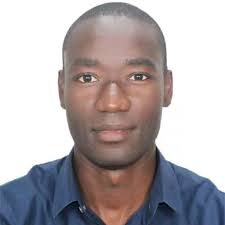 My primary area of research is African population genetics, with a particular focus on regions within Africa that have been under-represented in genomic research. The aim of my current research project is to shed light on Africa’s demographic history and to investigate how genomic research can complement the findings of anthropological, linguistic, and historical research.
Johanna von Seth, Postdoc

I joined Carina’s group as a postdoctoral researcher in March 2024, with a focus on advancing our understanding of human population history on the African continent. I am dedicated to utilising genomic data to illuminate past events and explore their implications through time. By analysing ancient and contemporary human genomes, I will explore genomic adaptations that have shaped our evolution. Specifically, my research will revolve around how changing lifeways and environments influenced past African populations, human health, pathogens, and diet across different regions and time periods.
I earned my PhD degree in Systematic Zoology at the Centre for Palaeogenetics (Stockholm University and the Swedish Museum of Natural History) in Stockholm, Sweden. During my PhD studies, I generated and analysed datasets that combined genomes from present-day populations with those from historical time-points to investigate several questions related to the conservation of four currently threatened mammals and birds.
Grace Moraa Kennedy, Postdoc
 As a postdoctoral researcher in the Schlebusch group, I specialize in analyzing genetic data from diverse African populations to uncover signatures of natural selection and adaptation. My research focuses on identifying evolutionary mechanisms that have shaped human diversity across the continent, with a particular emphasis on how genetic adaptations align with environmental, cultural, and ecological factors.
By leveraging advanced computational tools and interdisciplinary collaboration, I contribute to the understanding of how historical and recent evolutionary pressures have influenced traits such as immunity, metabolism, and physical resilience. My work aims to enhance our comprehension of Africa’s unparalleled genetic diversity and its broader implications for global human evolution.
Maja Vukovikj, Postdoc

With a strong foundation in molecular biology and virology, I have joined the Schlebusch group as a postdoc, focusing on pathogen identification in ancient African populations. My work tackles the challenging yet fascinating task of detecting RNA viruses in ancient samples—an endeavor that could illuminate the interplay between human and viral history
Andrea Soler I Nuñez, PhD student

Before starting my PhD in the Schlebusch group, I completed my BSc in Genetics at Universitat Autònoma de Barcelona (2022) and my MSc in Evolutionary Biology at Uppsala Universitet (2024), which included a BSc thesis on minimal genomes and a MSc thesis on Bronze-to-Iron Age Levantine peoples, respectively.
During my doctoral studies with Carina, I’m working on projects that cover different topics across the African continent, such as adaptation to diet, ancient pathogens, or the inference of population history from present-day and ancient genomic data.
Bupe Kapema, PhD student

As a PhD student in the Schlebusch group, my research focuses on highlighting the dynamics of sub-Saharan population genetics and answering fundamental evolutionary questions about modern human origins, migratory patterns, and geographical distribution. More specifically, I aim to uncover and describe the genetic variation and population structure within the Zambian population, establishing high-quality DNA datasets to support both forensic and human evolutionary research.
I hold a master’s degree in forensic science from Uppsala University, and my research interests include forensic genetics, population genetics, human evolution, ancient DNA, and human identification.
Francesco Giannelli, Postdoc
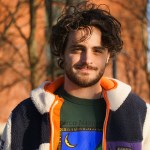 My research focuses on population genomics, with experience across multiple animal species and evolutionary contexts. During my PhD at the Polytechnic Marche University (Italy), I investigated how expansion dynamics affect neutral and deleterious genetic diversity. I am specialised in forward simulations with SLiM, particularly in continuous-space modelling.
My current project aims to explore the expansion of Bantu-speaking populations in sub-Saharan Africa, integrating genomic, linguistic, and spatial data.
Filippo Seu, Master’s student
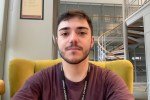
I have a Bachelor’s degree in Biology and I am currently a Master’s student in Cellular and Molecular Biology at Cagliari University, Italy. During my internships at Cagliari University, I have worked on transcriptomics of human endogenous retroviruses and on population genetics of the Y chromosome in Western Eurasia.I joined the Schlebusch group as a visiting student. Under the co-supervision of Imke Lankheet, I am contributing to a study on Y chromosome diversity across sub-Saharan Africa.
Cesar Fortes-Lima, Associated researcher
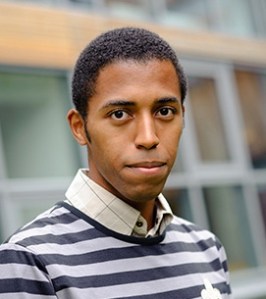
Cesar was a postdoc and researcher in the Schlebusch group until November 2023. He is presently working at Johns Hopkins, Baltimore. We continue our collaborative projects with Cesar as an Associated researcher.
African populations have the greatest genetic diversity among all human groups, but largely remain under-represented in human genomic studies. My main interest is in generating and analyzing new genomic data among sub-Saharan African and African Diaspora populations, to better understand migration patterns and gene flow within and outside the continent. I received my BSc degree in Biology at Complutense University of Madrid, and my MPhil in Physical Anthropology at Autonomous University of Madrid, Spain. Later, I completed my PhD in Biological Anthropology at Paul Sabatier University in Toulouse, France. During my three-year PhD project, I investigated demographic histories of African-descendant populations in South America and the impact of the slave trade in the current population. Then, I joined the Evolutionary Anthropology team at CNRS-MNHN in Paris, where I developed biostatistical methods for analyzing complex models of admixture events in populations that underwent the slave trade, using simulations and Bayesian inference. At Schlebusch Lab in Uppsala University, I studied past migration routes and gene flow among various African populations. More about myself, I enjoy photography and spend my spare time hiking and traveling.
Concetta Burgarella, Associated researcher
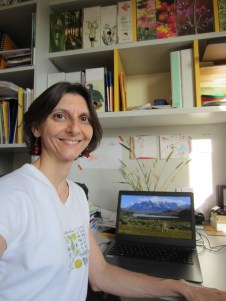 Concetta was a postdoc and researcher in the Schlebusch group until November 2023. She is presently working at INRAE, Montpellier. We continue our collaborative projects with Concetta as an Associated researcher.
I am an evolutionary biologist and I use population genetics approaches to address the ecology and evolution of wild and domesticated species. I am interested in understanding how different processes, such as the demographic history, mating system and selective pressures, shape genetic diversity. Knowing how diversity forms and evolves is essential for the efficient conservation and use of genetic resources. I have been working mostly on plant species, from trees (oaks and conifers) to model species (the legume Medicago truncatula). My most recent research focuses on the evolution of domesticated species and their relationship with wild relatives. At Schlebusch lab., I conducted research to address the co-evolution between human populations and cereals in Africa (Marie Sklodowska-Curie fellowship).
Alumni:
2025: Niels Le Douarin, Master student (supervised by Maja Vukovikj). During his time in the Schlebusch group, Niels focused on identifying pathogens in teeth from African collections to explore past peoples’ state of health.
2024: Elisa Rondoni, Exchange Student. During her time in the Schlebusch group Elisa worked in the aDNA lab and conducted a series of analysis on samples from African human remains.
2023: Tillman Rönneburg – co-supervised PhD student from Örjan Carlborgs’ group (Uppsala University). Tillman successfully defended his PhD on 8 Sept 2023.
2023: Paul Brunel, Master student. (Supervised by Concetta Burgarella). Paul looked at selection on diet associated genetic variation.
2023: Ivany Argueta Mejia, Master student (Supervised by Imke Lankheet and Carina Schlebusch). Ivany looked at metagenomes and metaproteomes obtained from calculus samples.
2023: Afifa Chowdhury, Research assistant
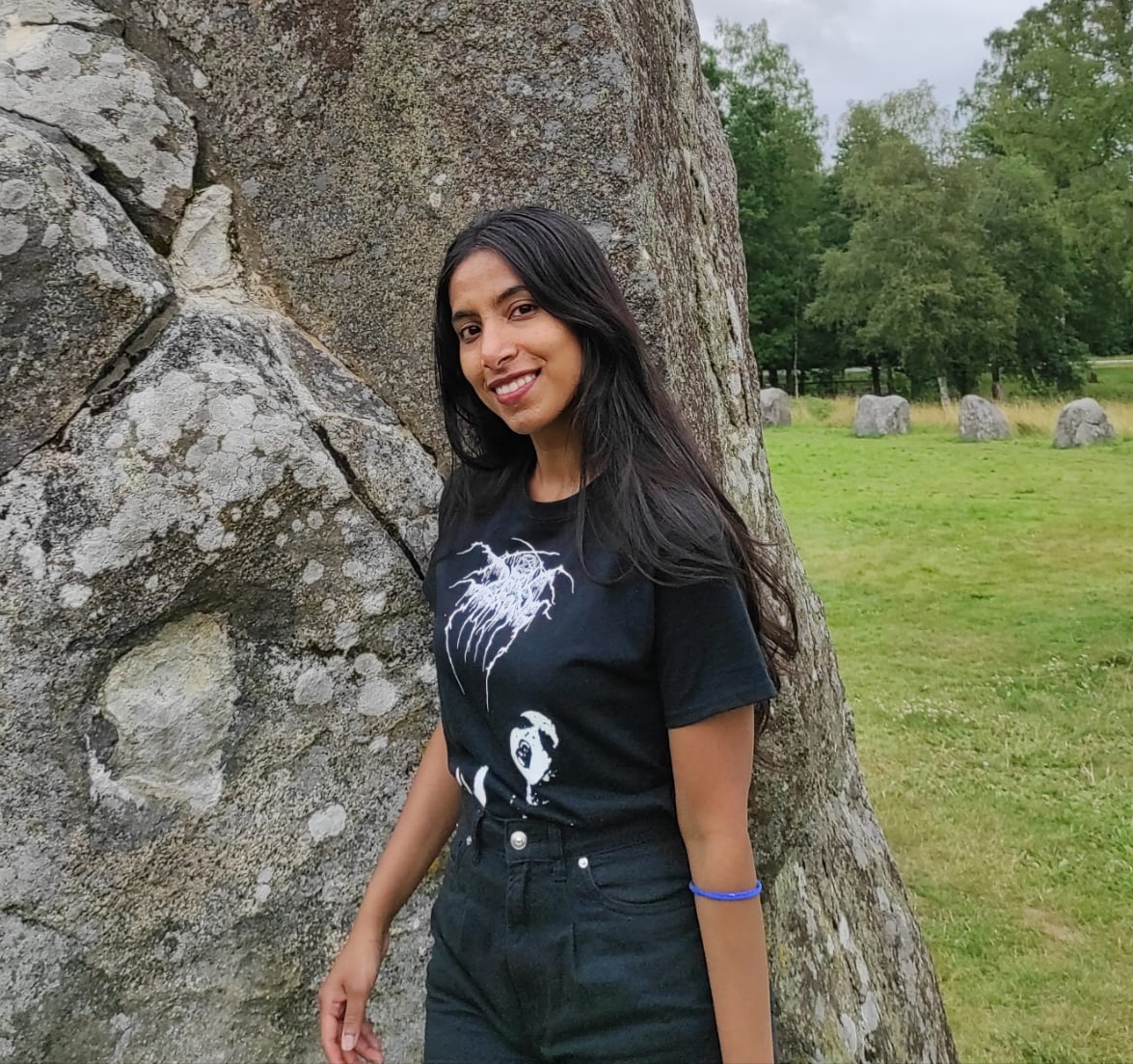 Afifa was a research assistant in the Schlebusch group and worked with the members of the group in various projects conducting laboratory and experimental work. The work involved molecular techniques to analyse both modern and ancient DNA.
2023: Nathaniel Buckley, Masters student (Supervised by Cesar Fortes-Lima and Carina Schlebusch). Nathaniel looked at selection on malaria protective variants.
2022: Rickard Hammaren, PhD student

Rickard successfully defended his PhD thesis in Nov 2022. The working title of his thesis was “The migration history of African farmers and herders: Inferences from ancient and modern-day DNA”, with a focus on Eastern and Southern Africa and the historic migrations that have shaped those parts of the continents’ demography.
2022: Nina Hollfelder, Postdoc
 Nina was a postdoc in the Schlebusch group (shared with Jakobsson group). During her time with us she investigated African population history using ancient and modern whole genome sequencing data.
2022: Lucía Alva Caballero, Master student. (Supervised by Rickard Hammaren and Carina Schlebusch). Lucía looked at genetic variation in the Khoe-San descendent populations of South Africa
2021: Ragnheiður Diljá Ásmundsdóttir, Master student. (Supervised by Nina Hollfelder). Diljá investigated sex-biased admixture patterns in African populations.
2021: Camille Humbert, Master student. (Supervised by Concetta Burgarella). Camille investigated starch adaptation in African populations.
2021: Jessica De Loma Olson, PhD student. (Co-supervised with Karin Broberg). Jessica investigated arsenic tolerance and adaptation in Andean populations.
2020: Gwenna Breton, PhD student. (Co-supervised with Mattias Jakobsson). Gwenna investigated human population history of Africa, through analysing genomes from southern and central African hunter-gatherer groups.
2020: Mario Vicente, PhD student
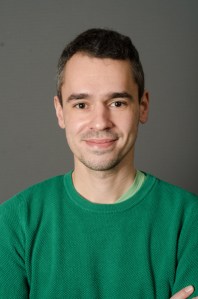
Mario successfully defended his PhD thesis in April 2020. His studies focused on the demographic history of Sub-Saharan Neolithic farmer and herder groups. He investigated the migration routes and population structure of farming populations throughout sub-Saharan Africa and their interaction with autochthonous inhabitants by using genome-wide data. His research areas were population genetics, human evolution and African demography.
2020: Ezekia Mtetwa, Researcher
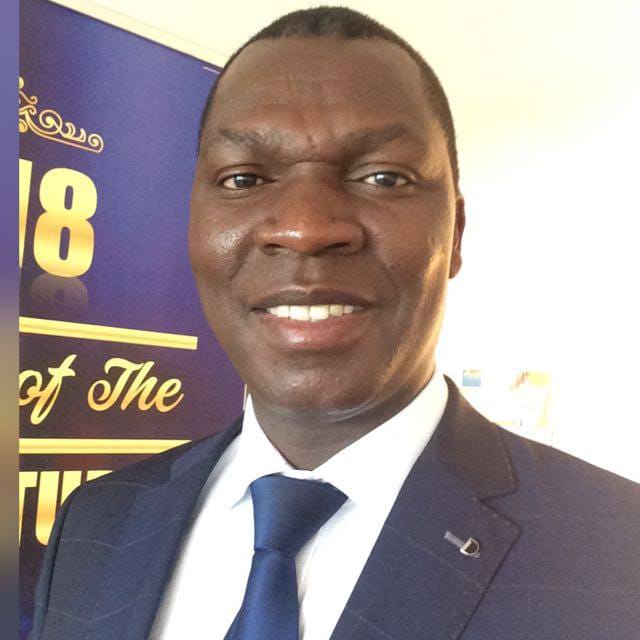
Ezekia is a archaeometallurgist with an extensive background in the later prehistory of sub-Saharan Africa. He did his PhD at the Department of Archaeology and Ancient History, Uppsala University, Sweden, on the archaeology of iron production in Great Zimbabwe. He joined the Schlebusch group in 2018, as a researcher and left us in early 2020 to take up a postdoctoral position at the Department of Archaeology and Ancient History, Uppsala University. We continue our collaboration on investigating the expansion of Bantu-speaking and iron-using people into Zimbabwe.
2020: Alexandra Coutinho, PhD student. (Co-supervised with Mattias Jakobsson). Alex used ancient DNA to study genetic ancestry, admixture and selection in various population groups from southern Africa and Scandinavia
2019: Shannon Perucatti, Master student. (Co-supervised with Marlize Lombard University of Johannesburg). Shannon did meta analyses of various selection scan studies to identify genes and pathways influencing brain development in the evolution of anatomically modern humans
2018: Nina Hollfelder, PhD student. (Co-supervised with Mattias Jakobsson). Nina studied genetic ancestry, admixture and selection in various population groups from Northeast and southern Africa
2018: Thijessen Naidoo, PhD student. (Co-supervised with Mattias Jakobsson). TJ studied selection and demographic patterns in human genomic elements
2017: Jingzi Xu, Master student. Jingzi studied Mitochondrial and Y-chromosome variation in southern African hunter-gatherer populations
 I am an african